2026-09-08 ·
Navigating Permits for Modular Buildings in Dubai: A Guide for Businesses
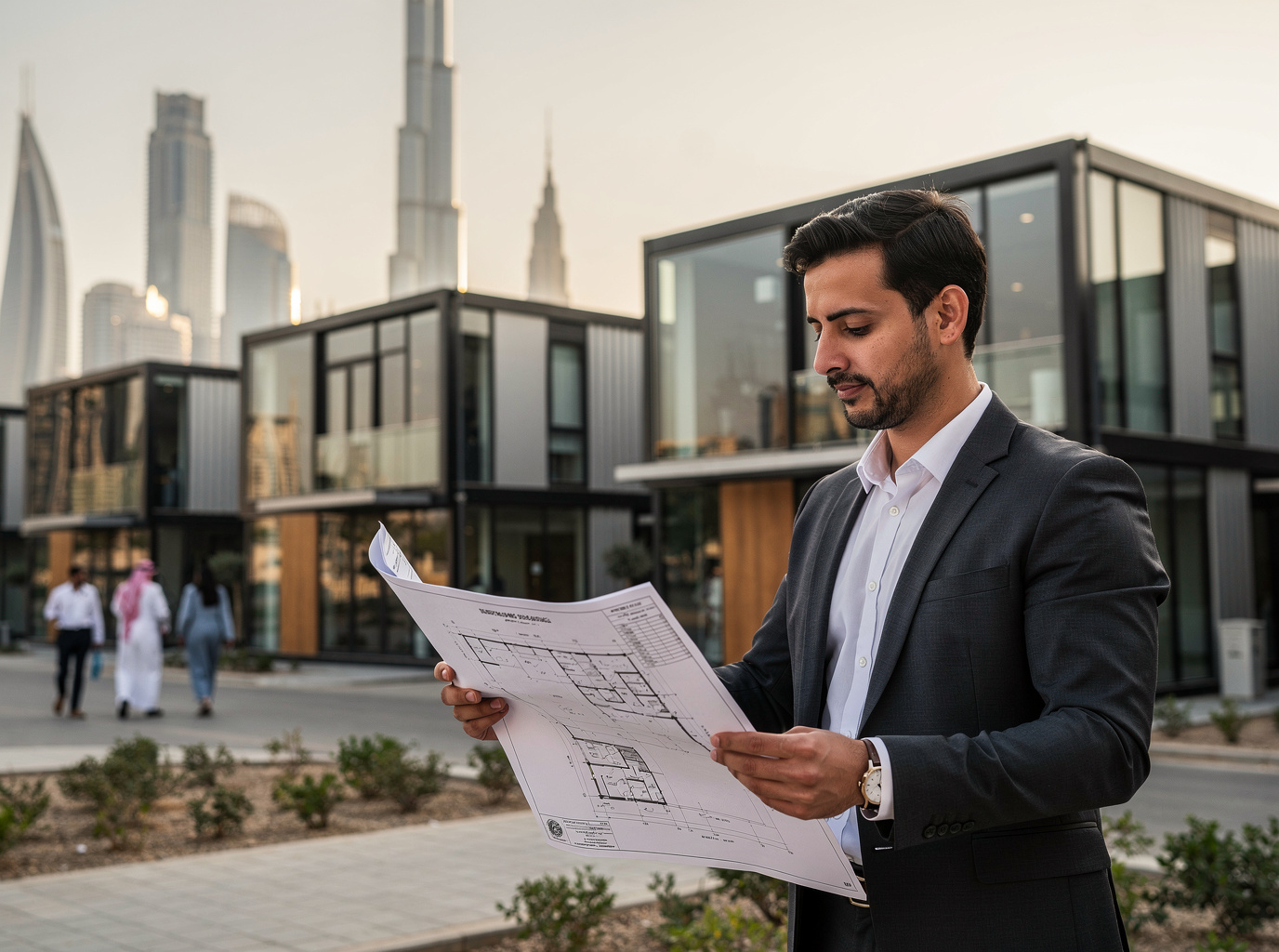
Navigating permits for modular buildings in Dubai requires a clear understanding of local regulations, a proactive approach to project specification, and collaboration with qualified local professionals. Unlike conventional construction, modular buildings are largely fabricated off-site, yet their deployment and use on any commercial site in Dubai and its surrounding areas are subject to the same rigorous permitting and approval processes as traditional structures. The responsibility for securing these permits, ensuring site preparation, and managing all on-site installation and utility connections ultimately rests with the buyer and their appointed local contractors and consultants. Million Modular provides the prefabricated structures built to your exact, pre-approved specifications, but the journey from concept to operational facility in Dubai hinges significantly on meticulous adherence to local authority requirements.
Understanding Dubai's Regulatory Landscape for Modular Construction
Dubai’s rapid development and commitment to high standards mean that all construction, including the placement of prefabricated commercial buildings, falls under the purview of stringent regulations. The primary authority is often Dubai Municipality (DM), which governs building codes, zoning, and health and safety standards across much of the Emirate. However, projects within specific free zones, such as Jebel Ali Free Zone (JAFZA) or Dubai South, may also need to comply with additional or specialized regulations enforced by the respective free zone authorities. These authorities ensure that any structure, regardless of its construction method, meets established criteria for structural integrity, environmental impact, fire safety, and public welfare. For businesses considering modular solutions for projects ranging from workforce accommodation in industrial zones to temporary modular site offices at large development sites, understanding which authority holds jurisdiction over their specific project location is the critical first step.
Key Permitting Stages and Considerations
The permitting process for a modular building in Dubai typically mirrors that of conventional construction in its fundamental stages, although the off-site fabrication aspect introduces unique considerations for documentation. Initially, an Initial Project Assessment is crucial, evaluating site suitability, zoning compliance, and the intended use of the modular facility. This stage often involves pre-application meetings with relevant authorities to clarify specific requirements for your project, whether it's a new commercial facility or an expansion. Following this, the Design and Specification Review phase begins, where detailed architectural, structural, mechanical, electrical, and plumbing (MEP) drawings, along with fire and life-safety strategies, are submitted. These comprehensive plans must reflect all local code requirements, and it is the buyer's responsibility to ensure their local consultants incorporate these into the specifications provided to Million Modular for fabrication. The Application Submission then proceeds with all required documentation, followed by Inspections at various on-site stages, including foundation work, utility connections, and the final assembly and fit-out of the modular units, culminating in Final Approvals and an occupancy permit.
Critical Specifications Influencing Permit Approval
The success of a permit application for a modular building in Dubai heavily relies on how well the building's specifications align with local codes and environmental conditions. Structural Integrity is paramount; designs must account for local wind loads and other environmental factors, ensuring the building's stability and longevity. For Dubai's intense climate, Thermal Performance and HVAC considerations are critical. Specifications for insulation, glazing, and HVAC systems must meet or exceed local energy efficiency standards to ensure occupant comfort and operational cost-effectiveness. Our article, "Keeping Cool: How Modular Buildings are Engineered for Dubai's Extreme Heat," delves deeper into these engineering considerations. Fire and Life Safety specifications are non-negotiable, encompassing material fire ratings, emergency egress routes, fire detection and suppression systems, and accessibility. Furthermore, MEP (Mechanical, Electrical, Plumbing) systems must adhere to specific Dubai Electricity and Water Authority (DEWA) and Dubai Municipality standards, ensuring safe and reliable utility connections. The intended use of the modular building—be it a modular classroom facility, a modular security and gatehouse building, or a complex of prefabricated project buildings—will shape the specific documentation and review focus for that permit application.
The Role of the Buyer and Local Professionals
For any commercial modular building project in Dubai, the buyer's engagement with local expertise is indispensable. Million Modular specializes in fabricating high-quality modular units based on supplied project specifications. However, the critical process of translating Dubai's specific codes, ordinances, and authority requirements into those precise specifications falls to the buyer and their locally appointed team. This team typically includes licensed local architects, structural engineers, MEP consultants, and general contractors who possess an in-depth understanding of the local regulatory environment. These professionals are responsible for preparing all necessary drawings, calculations, and documentation that demonstrate compliance with DM, DEWA, or free zone authority standards. It is crucial to understand that Million Modular does not independently determine or guarantee compliance with local codes; instead, we meticulously build to the detailed project specifications provided by the buyer, ensuring the prefabricated units are ready for compliant on-site assembly and connection by the buyer's local contractors.
Procurement Planning and Project Sequencing
Effective procurement planning is essential for a smooth modular building project in Dubai, particularly when navigating the permit process. Early engagement with local architects and consultants is paramount, allowing them to begin the permit application process concurrently with Million Modular's off-site fabrication. This synchronized approach can significantly reduce overall project timelines compared to traditional construction. While your modular units are being precision-built in a controlled factory environment, your local team can manage site preparation, including foundations, utility stub-outs, and initial inspections. Considerations for transport dimensions and logistics are also vital; the size of modular units can impact transport routes and require special permits for oversized loads within Dubai's road network. Planning for project quantities and scalability, whether for a single portable commercial facility unit or a large-scale deployment of commercial modular buildings, influences both manufacturing schedules and the complexity of permit applications.