2026-09-08 ·
Modular vs. Traditional Construction in Dubai: A Cost and Time Efficiency Comparison
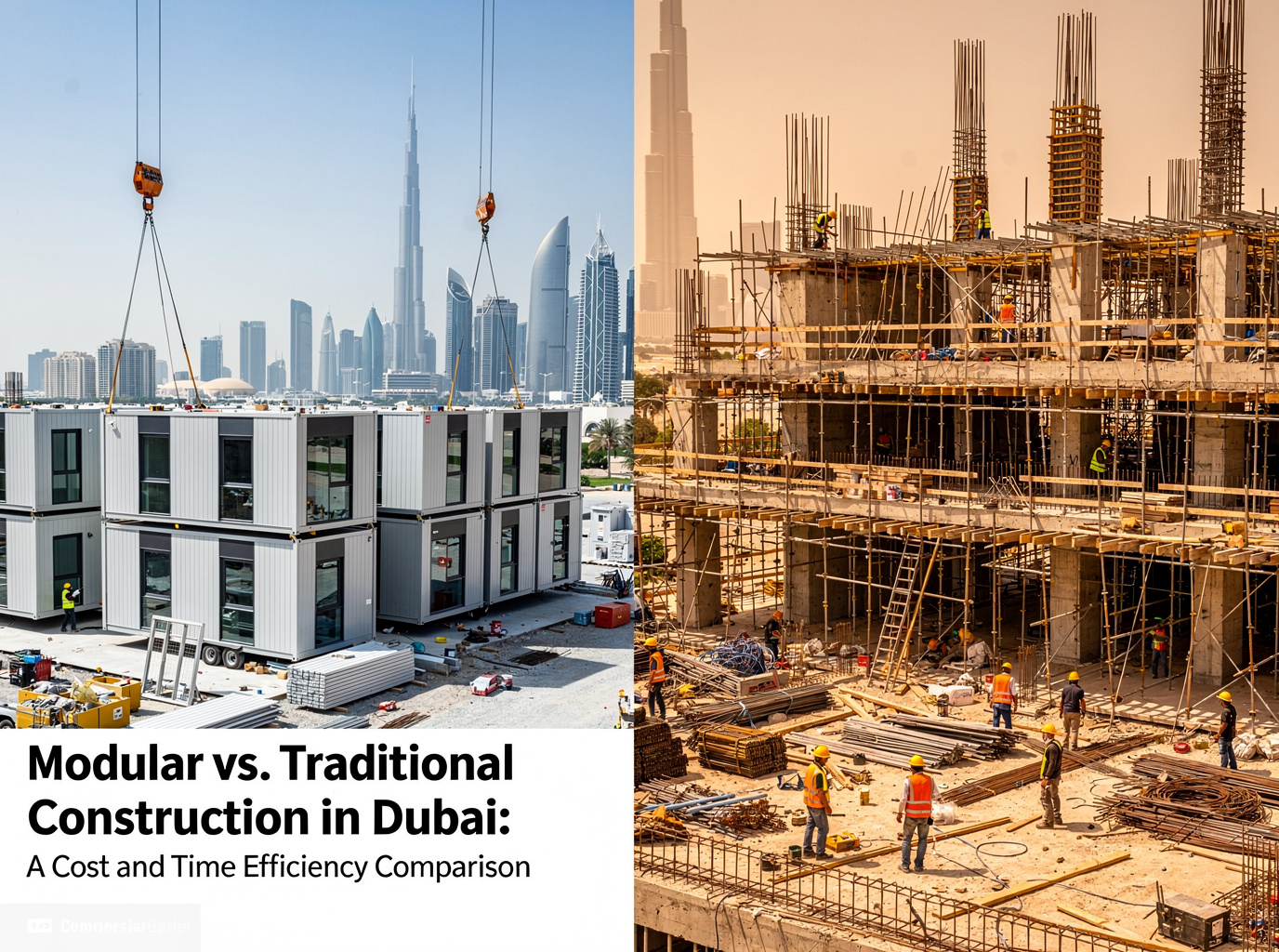
In Dubai's highly competitive and fast-paced commercial development landscape, modular buildings generally present substantial advantages over traditional construction in both cost and time efficiency. Projects utilizing prefabricated commercial buildings UAE-wide can benefit from meaningful cost and schedule efficiencies compared to conventional methods, with the actual savings depending heavily on project scale, specification, and site conditions. This efficiency stems from the controlled factory environment where modules are produced, allowing for concurrent site preparation and streamlined assembly, directly addressing the demand for rapid, high-quality infrastructure in the emirate.
Understanding the Dubai Construction Landscape
Dubai’s commercial construction sector is characterized by ambitious projects, rapid expansion, and a constant drive for innovation. From the bustling commercial hubs of Downtown Dubai to the sprawling logistics centers in Jebel Ali and the industrial zones of Al Quoz, the demand for quick project delivery and high-performance facilities is paramount. Traditional construction methods often grapple with challenges such as fluctuating material costs, labor availability, and the extreme summer temperatures that can slow down onsite work. Modular construction, by shifting a significant portion of the building process offsite, mitigates many of these issues, offering a more predictable and controlled environment for creating essential infrastructure. This approach is particularly beneficial for large-scale developments and projects requiring expedited completion, where every week saved can translate into significant operational benefits.
The Cost Efficiency of Modular Buildings
The inherent cost efficiencies of Modular Buildings Dubai stem from several key factors. Manufacturing in a controlled factory environment leads to reduced material waste, bulk purchasing power, and optimized labor utilization, minimizing costly delays and rework often associated with traditional onsite construction. The ability to produce multiple modules simultaneously, especially for projects requiring high project quantities and scalability like extensive workforce accommodation or multiple modular site offices, can help lower the per-unit cost. Furthermore, predictable manufacturing schedules and fewer weather-related interruptions contribute to more accurate budgeting and reduced financial risk. This structured approach helps commercial buyers and developers achieve greater financial predictability from the outset of their projects, a crucial advantage in Dubai's dynamic market. Actual cost outcomes vary by project and should be confirmed through a detailed quote based on your specific requirements.
Time Savings and Accelerated Project Delivery
Perhaps the most compelling benefit of modular construction in Dubai is the potential reduction in project timelines. While traditional construction requires sequential steps – foundation, framing, roofing, interiors – modular construction allows for parallel processes. This means that while site preparation, such as foundation work and utility trenching, is underway at the project location, the building modules are simultaneously being fabricated in a factory. This concurrent activity can shorten the overall project sequencing and accelerate the path to occupancy. For example, a project for new modular classrooms or portable commercial facilities may be ready for use faster than if built conventionally, enabling businesses and institutions to commence operations sooner. Exact timeline gains depend on project complexity, quantity, and local site conditions, and should be discussed during project planning. This speed is invaluable in a market where time to market can be a decisive competitive factor.
Specification and Performance Considerations in Dubai
Designing modular buildings for Dubai's unique climate and operational demands requires careful attention to specifications. Structural systems must be robust, often engineered to withstand specific wind loads and seismic considerations. Given the intense summer heat, superior insulation and thermal performance are critical to minimize energy consumption and ensure occupant comfort. This includes specifying high-performance glazing, effective wall and roof insulation, and efficient HVAC and MEP considerations that can handle sustained high temperatures. Buyers are responsible for providing detailed project specifications, including those arising from applicable local codes, ordinances, and authority requirements, ensuring the building is fit for its intended purpose and location. For more on managing the climate, read our article, Keeping Cool: How Modular Buildings are Engineered for Dubai's Extreme Heat.
Customization and Project Suitability
Modern modular construction offers a high degree of customization, allowing buildings to be tailored precisely to buyer-provided project specifications and destination requirements. Whether the need is for specialized modular healthcare facilities, secure modular security & gatehouse buildings, or specific commercial and institutional facilities, modules can be designed with unique layouts, finishes, and functional elements. This flexibility extends to incorporating specific fire/life-safety specification considerations and ensuring compliance with local accessibility standards. The modular approach is adaptable for a wide range of commercial applications, from temporary solutions to permanent infrastructure, demonstrating its versatility across Dubai's diverse development needs. The ability to customize dimensions also impacts transport dimensions and logistics, which are carefully planned during the design phase.