2026-08-25 ·
Designing for Dubai's Climate: Essential Features for Energy-Efficient Modular Buildings
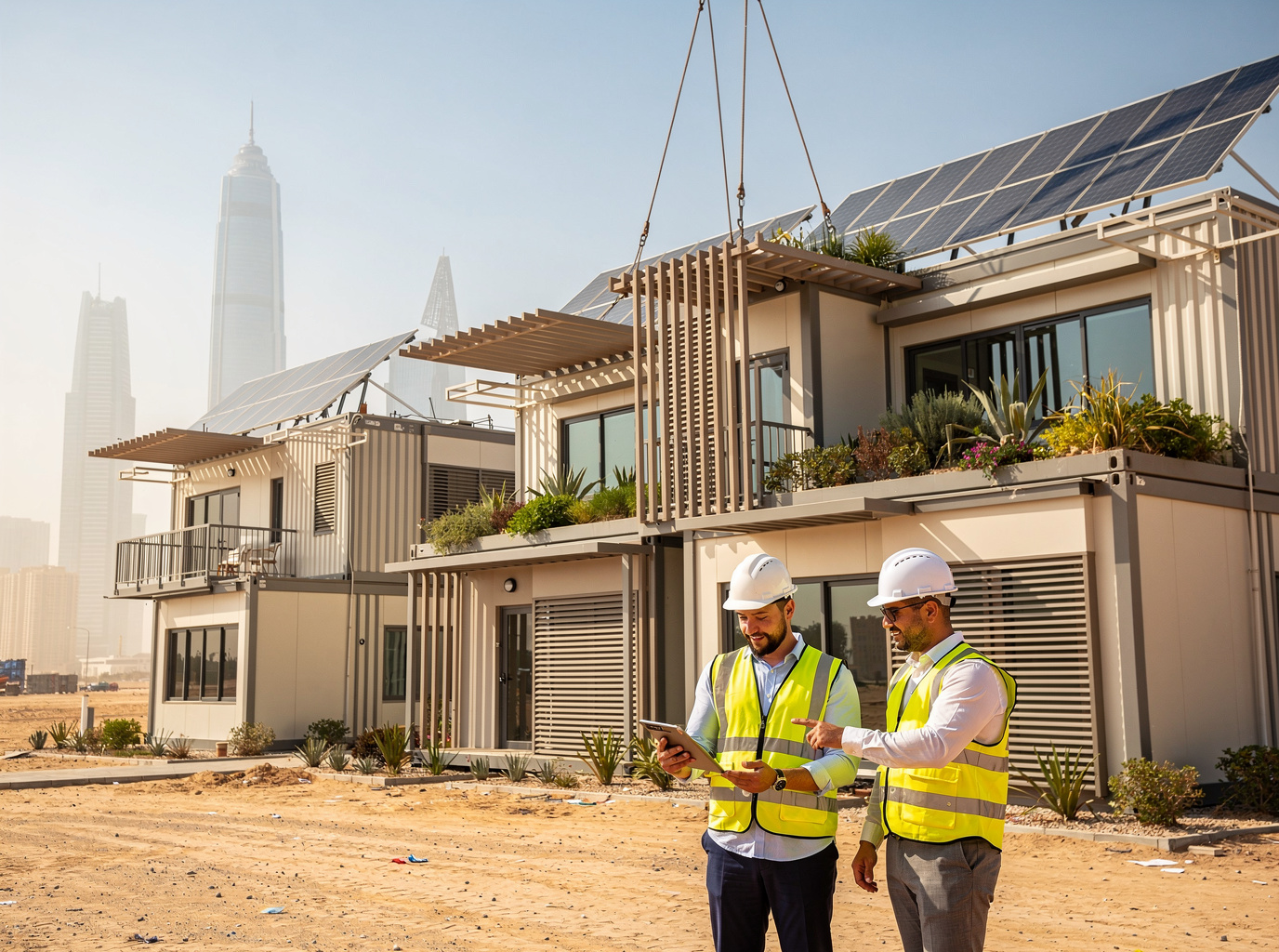
Designing modular buildings for Dubai's climate demands a strategic focus on energy efficiency, primarily through advanced insulation, high-performance glazing, and optimized HVAC systems, which collectively can reduce operational energy consumption significantly compared to standard construction. The intense heat, particularly from May to September, with temperatures often exceeding 40°C and high humidity, necessitates building envelopes that minimize heat gain and maintain comfortable interior environments without excessive energy use. For commercial projects, from large-scale workforce accommodation to specialized facilities in industrial zones like Jebel Ali or Dubai Industrial City, integrating these features from the initial design phase is crucial for long-term cost savings and occupant comfort. These considerations are vital for project decision-makers, procurement teams, and developers aiming for sustainable and economically viable modular solutions in the UAE.
Understanding Dubai's Climate Impact on Modular Design
Dubai's climate presents unique challenges that directly influence modular building specifications. The primary concern is solar heat gain, which can rapidly elevate internal temperatures and place immense strain on cooling systems. High ambient temperatures, coupled with intense UV radiation, necessitate materials and designs that are both durable and thermally efficient. Furthermore, dust and sand can impact HVAC system performance and exterior finishes, requiring robust filtration and low-maintenance materials. Modular buildings, by their nature, are produced off-site under controlled conditions, allowing for precise integration of these climate-specific features. This factory-controlled environment ensures consistent quality in thermal breaks, sealant application, and insulation density, which are critical for energy performance in such demanding conditions. Understanding these environmental realities is the first step in specifying a modular building that truly performs in the Dubai area.
Advanced Thermal Envelope and Insulation Strategies
The thermal envelope is the first line of defense against Dubai's heat. Effective insulation is paramount, far exceeding standard requirements seen in more temperate climates. Rigid insulation panels, such as polyisocyanurate (PIR) or extruded polystyrene (XPS), are often preferred for their high R-value per inch, offering superior thermal resistance within a compact thickness. Walls, roofs, and floors must be comprehensively insulated, creating an unbroken thermal barrier. For roofs, which bear the brunt of solar radiation, a minimum R-value of R-30 or higher is often specified, potentially incorporating cool roof technologies like reflective coatings to deflect sunlight. Wall systems benefit from continuous insulation strategies, minimizing thermal bridging. These specifications are critical for reducing the load on HVAC systems, leading to substantial energy savings over the operational lifespan of the building, whether it's a site office or a more complex commercial facility.
High-performance glazing is another non-negotiable feature. Standard single-pane glass is wholly inadequate. Instead, double or triple-glazed units with low-emissivity (Low-E) coatings are essential. These coatings reflect solar radiation while allowing visible light to pass through, significantly reducing heat transfer. Argon gas fills between panes further enhance insulation properties. Shading devices, such as external louvers or overhangs, should also be integrated into the design to minimize direct sun exposure on windows, particularly on east and west-facing elevations. The combination of superior insulation and advanced glazing ensures that the building envelope is a highly effective barrier against heat ingress, contributing to a cooler, more stable interior environment.
Optimized HVAC and MEP Systems for Extreme Conditions
Given Dubai's climate, the Heating, Ventilation, and Air Conditioning (HVAC) system is arguably the most critical mechanical component for energy efficiency. Modular buildings intended for the region must incorporate high-efficiency HVAC units, often with a Seasonal Energy Efficiency Ratio (SEER) of 18 or higher, or equivalent Energy Efficiency Ratio (EER) ratings suitable for commercial applications. Variable Refrigerant Flow (VRF) systems or highly efficient packaged rooftop units (RTUs) are frequently specified for their ability to precisely control temperatures and provide zoned cooling, adapting to fluctuating occupancy and heat loads. Proper sizing of these units is crucial; undersized systems will struggle and consume excessive energy, while oversized systems cycle inefficiently.
Beyond the primary cooling units, Mechanical, Electrical, and Plumbing (MEP) design must address other climate-specific factors. Ventilation systems should incorporate energy recovery ventilators (ERVs) to pre-cool incoming fresh air using the exhaust air, reducing the cooling load. Ductwork must be properly sealed and insulated to prevent energy loss. For plumbing, hot water systems should be insulated, and consideration given to solar water heating where feasible, though the primary energy draw will remain cooling. All electrical components, from lighting to controls, should be specified for energy efficiency, utilizing LED lighting and smart building management systems (BMS) to optimize operation. These integrated MEP considerations are vital for the overall energy performance of any modular building, from a temporary classroom to a permanent commercial facility.
Fire/Life-Safety and Structural Durability in the UAE
While energy efficiency focuses on thermal performance, fire and life-safety specifications are paramount and must align with local authority requirements in Dubai. These requirements, which buyers provide, dictate aspects like fire-rated wall and ceiling assemblies, emergency egress, smoke detection, and sprinkler systems. Modular buildings can be designed and manufactured to meet these stringent specifications, integrating fire-resistant materials and passive fire protection measures directly into the module construction. This pre-engineered approach ensures consistent adherence to safety standards, which is a significant advantage over traditional construction where onsite variations can occur. Buyers are responsible for providing the precise codes and ordinances from authorities like Dubai Civil Defence, ensuring the modular supplier incorporates these into the project specifications.
Structural durability is equally critical for the long-term performance of modular buildings in the UAE. Structures must be engineered to withstand potential seismic activity, high wind loads (especially for multi-story configurations), and the corrosive effects of a coastal, high-humidity environment. This often involves specifying corrosion-resistant coatings for steel frames, using durable exterior cladding materials that resist UV degradation and sand abrasion, and ensuring robust foundation connections (which are the buyer's responsibility to provide). The controlled factory environment allows for precise welding, material treatment, and quality control, contributing to a structurally sound and resilient building that can withstand decades of operation in Dubai’s challenging conditions, whether deployed as workforce accommodation or a critical commercial office space.